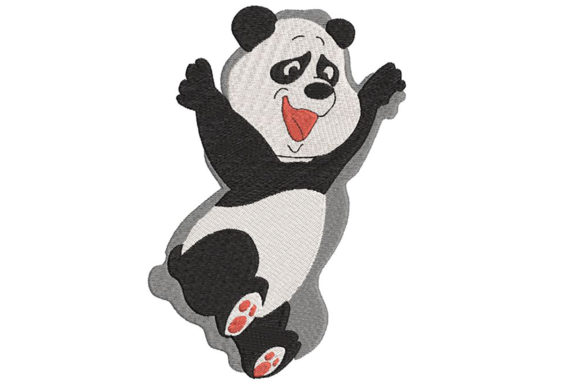
Cute Panda Embroidery Design: A Practical Review
As a designer who has spent countless hours digitizing patterns and troubleshooting machine errors, I approach every new machine embroidery design with a mix of curiosity and skepticism. We have all been there: downloading a file that looks perfect in the preview software, only to find it turns into a bird’s nest of thread breaks and puckering on actual fabric. When I first loaded the Cute Panda design into my editing software, my initial impression was one of relief. The layout is clean, the shapes are distinct, and the overall mood is undeniably friendly.
This isn’t just another generic animal clipart converted into stitches. It feels intentional. For those of us running a craft business or selling on platforms like Etsy, finding designs that bridge the gap between childish whimsy and adult appeal is rare. This piece manages to sit comfortably in that middle ground. It is playful enough for a child’s room but stylized enough to look charming on an adult’s tote bag or kitchen apron. In the broader category of Woodland Animals, pandas often suffer from overly complex detailing that doesn’t translate well to thread. Here, the simplification works in the design’s favor.
Real-World Application: The Tote Bag Test
To truly evaluate an embroidery project, you have to move beyond the screen. I decided to test Cute Panda on a natural cotton canvas tote bag, a staple item for any small shop product line. Canvas is unforgiving; it shows every gap in coverage and every misaligned stitch. I hooped the fabric with a medium-weight cut-away stabilizer to ensure the heavy weave didn’t distort during stitching.
The result was impressive. The design stitched out cleanly, with no noticeable pulling or distortion around the edges. Because the description notes it is "fun and easy to stitch on any fabric," I paid close attention to how the machine handled the transitions. The fill stitch areas were dense enough to provide solid color coverage but not so dense that they created a stiff, cardboard-like feel on the flexible bag. This balance is crucial for items that need to remain soft and usable, such as baby embroidery projects or wearable custom apparel.
Versatility Across Product Lines
One of the strongest assets of this digital embroidery file is its adaptability. While it shines on tote bags, I can easily visualize it working across a diverse range of merchandise. For sweatshirt embroidery, the design’s bold lines would stand out beautifully against fleece or French terry cloth. The lack of tiny, fragile details means it is less likely to get lost in the texture of looped fabrics.
For Etsy sellers looking to expand their holiday offerings, this panda makes an excellent candidate for holiday embroidery. Imagine it stitched onto a red velvet stocking or a neutral linen pillow cover for winter decor. It also works well for personalized gift items. Adding a name below the panda using a simple sans-serif font could elevate a plain baby onesie into a high-value boutique item. The key here is that the design does not demand all the attention; it allows room for customization without feeling cluttered.
Navigating Fabric and Hoop Constraints
While the design is robust, practical experience dictates caution in certain scenarios. The description mentions it comes with multiple formats, which is standard, but always verify the hoop size compatibility with your specific machine before purchasing. If you are working with a smaller hoop, ensure the design fits with adequate margin for the frame clamps.
When stitching on stretchy fabric like jersey knits for t-shirts, the stability of the design becomes critical. Although the panda is relatively simple, any fill area can cause puckering if the stabilizer is insufficient. I recommend using a tear-away stabilizer backed with a light fusible interfacing for delicate knits. On dark fabric, consider how the thread colors will pop. A white or cream panda on navy blue looks crisp, but if you choose muted tones, ensure there is enough contrast to maintain the shape’s clarity.
Be cautious with textured fabrics like thick wool or terry cloth. While the design is "easy to stitch," deep pile fabrics can swallow smaller details. If the panda has any fine outlines, they might disappear into the fuzz. In such cases, increasing the stitch density slightly or choosing a smoother fabric base will yield a cleaner finished product.
Commercial Viability and Brand Consistency
For commercial embroidery professionals, consistency is king. You need designs that reproduce identically every time. From my test run, Cute Panda showed high repeatability. There were no random jumps or unnecessary trims that could slow down production time. This efficiency matters when you are fulfilling bulk orders for embroidered patch runs or corporate gifts.
Furthermore, the visual appeal of this design supports brand trust. Customers associate sloppy stitching with low-quality goods. A clean, well-defined panda signals professionalism. Whether you are creating design assets for a nursery brand or making printable mockup images for your online store, the aesthetic quality of the stitch-out will directly influence buyer engagement. It looks intentional, not accidental.
Essential Designer Notes
Before you commit to a large production run or list this as a new item in your shop, follow these practical steps:
- Test on scrap fabric first: Always stitch a sample on the exact material you plan to use for the final product. This reveals any tension issues or color mismatches.
- Check thread color contrast: View your design in black and white on your computer screen. If the details disappear in grayscale, they may lack definition in real life.
- Review stitch density: If the design feels too stiff after stitching, consider reducing the density in your editing software if you have the rights to modify it, or switch to a lighter weight fabric.
- Confirm licensing: The description mentions it is for children and adults, but always double-check the license terms regarding commercial use. Ensure you are allowed to sell finished items made with this embroidery file.
- Inspect small details: Zoom in on the eyes and ears. Are the satin stitches smooth? Are there any long jumps that need manual tying off?
In conclusion, Cute Panda is a solid addition to any designer’s library. It avoids the common pitfalls of overly complex woodland animal designs by prioritizing clarity and stitchability. It is versatile enough for handmade product lines ranging from baby gear to home decor, and reliable enough for small-batch commercial production. By respecting the material constraints and preparing your stabilizer correctly, you can turn this simple digital file into a high-performing asset for your craft business.