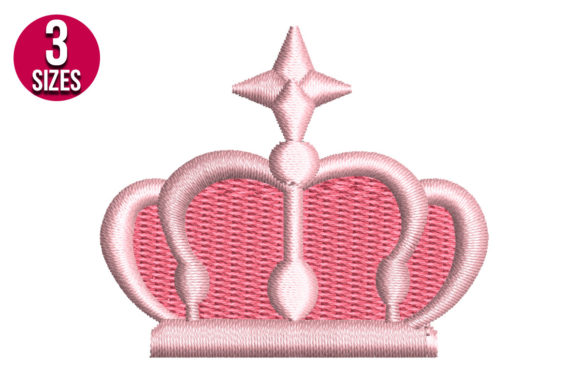
Mini Crown: A Designer’s Review for Real Embroidery Projects
As a designer who has spent countless hours digitizing and stitching out thousands of files, I approach every new machine embroidery design with a critical eye. It is not just about whether the artwork looks pretty on a screen; it is about how it behaves under the needle, how it wears after washing, and whether it adds genuine value to the finished product. Recently, I evaluated Mini Crown, a compact motif that promises to make fabric seem exquisite and royal. While the description highlights its suitability for a little princess’s birthday outfit, my review explores its broader potential across various categories, including Boys apparel and general Embroidery applications.
First Impressions and Visual Personality
The first thing that strikes you about Mini Crown is its balanced simplicity. In the world of digitizing, small designs are often the hardest to get right. Too much detail in a tiny space leads to thread breaks and messy backsides, while too little detail can look amateurish. This design manages to convey regality without becoming cluttered. The lines are clean, suggesting a thoughtful use of satin stitch for the borders and potentially fill stitch or running stitch for internal details, depending on the specific file variation provided.
The mood it creates is one of understated elegance. It does not scream for attention but rather invites a closer look. This makes it versatile. While it fits the "princess" narrative perfectly, it is neutral enough in shape to work for a young boy’s wardrobe if paired with the right color palette. Think navy blues, forest greens, or charcoal grays instead of pastels. This versatility is crucial for Etsy sellers and craft business owners who want to maximize the utility of a single digital embroidery file.
Real-World Application Scenarios
To truly test a design, I imagine it in specific, real-life projects. I recently considered using Mini Crown for a custom order involving a set of personalized baby items. The client wanted something subtle for a gender-neutral gift. Here is how the design performs in different contexts:
- Sweatshirt Embroidery: Placed on the left chest of a high-quality cotton blend sweatshirt, the crown acts as a sophisticated brand-like logo. It elevates a basic garment into a boutique item.
- Tote Bag Design: On a canvas tote, the design holds up well against the textured weave. It provides a focal point without overwhelming the bag’s utility.
- Embroidered Patch: Because of its self-contained shape, this motif works beautifully as an iron-on or sew-on patch. This allows customers to add a touch of royalty to jackets or backpacks later.
- Baby Embroidery: On onesies or bibs, the small scale is perfect. It does not cover the entire garment, allowing the soft fabric to remain comfortable against sensitive skin.
For commercial embroidery projects, such as creating branded merchandise for a children’s boutique, this design offers a consistent visual anchor. It is small enough to be cost-effective in terms of thread usage and machine time, yet distinctive enough to be recognizable.
Technical Considerations and Stitching Performance
When working with any embroidery file, technical due diligence is non-negotiable. With Mini Crown, there are several factors to consider before hitting the start button on your machine.
Fabric Texture and Stabilizer: The success of this design depends heavily on your choice of stabilizer. For stretchy fabrics like jersey knits used in t-shirts, a cut-away stabilizer is essential to prevent puckering around the satin edges. On woven fabrics like linen or cotton twill, a tear-away might suffice, but always test first. The thread colors you choose will also impact the visibility of the stitches. High-contrast threads on dark fabrics can highlight any minor tension issues, so ensure your machine is calibrated.
Hoop Size and Placement: Since this is a "mini" design, it likely fits in smaller hoops, such as 4x4 inches. This is advantageous for curved surfaces like caps or small items like baby socks. However, be mindful of the hoop boundaries. Ensure the design is centered correctly, especially if you are stitching multiple items in a production run. Consistency is key for small shop product quality.
Stitch Density: Without seeing the exact file data, I advise checking the stitch density in your editing software. If the density is too high for a small area, it can cause the fabric to pucker or the thread to break. If it is too low, the fabric underneath might show through, ruining the "exquisite" look. Adjusting pull compensation may be necessary for certain materials.
Where to Use Caution
While Mini Crown is robust, it is not universal. Avoid using it on extremely thin or sheer fabrics without a substantial backing, as the stitches may distort the material. Also, be cautious with highly textured fabrics like thick terry cloth or faux fur, where fine details might get lost. If the design includes tiny lettering or intricate corners, these areas are prone to snagging during frequent washing. For items like kitchen towels or aprons that undergo heavy use, consider reinforcing the design or placing it in an area less subject to abrasion.
Enhancing Product Value and Brand Consistency
From a business perspective, incorporating Mini Crown into your design assets can enhance perceived value. Customers often associate intricate, clean embroidery with higher quality. When used in printable mockup previews for your online store, this design can help visualize the final product effectively. It signals professionalism and attention to detail.
For personalized gift creators, this motif serves as an excellent accent. It can be combined with names or dates to create unique custom apparel. The key is balance. Let the crown complement the text, not compete with it. This approach builds customer trust and encourages repeat business, as buyers appreciate the thoughtful integration of design elements.
Practical Designer Notes
- Test on Scrap Fabric: Always stitch out a test sample on the same type of fabric you intend to use for the final product. This reveals any tension or density issues.
- Check Thread Contrast: View your design in black and white to ensure the shapes are distinct even without color. This helps in selecting appropriate thread combinations.
- Verify Licensing: Before selling finished products or digital files, confirm the license terms associated with Mini Crown. Ensure you have the rights for commercial use if you plan to sell items on Etsy or at craft fairs.
- Inspect Small Details: Zoom in on the digitized file to check for jump stitches or unnecessary trims that could affect efficiency and appearance.
- Consider the Audience: While marketed for girls, remember that Boys and adults can also enjoy regal motifs if styled appropriately. Expand your market by varying your color choices.
In conclusion, Mini Crown is a solid addition to any embroiderer’s library. It offers flexibility, aesthetic appeal, and practical usability across a range of embroidery project types. By understanding its technical requirements and creative potential, you can leverage this design to create high-quality, marketable items that resonate with customers. Whether you are a hobbyist making gifts or a professional running a craft business, this design deserves a spot in your rotation.