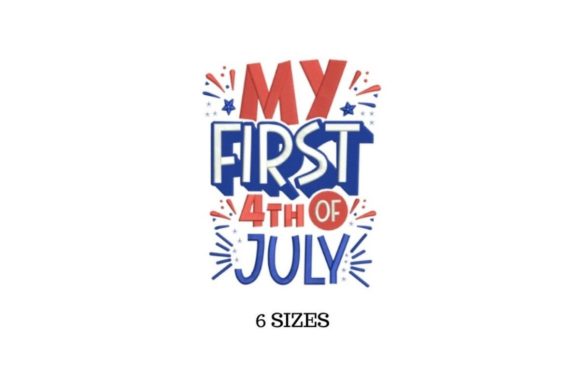
Reviewing My First Fourth of July Embroidery Design
As an embroidery designer who has spent years curating collections for seasonal peaks, I approach every new machine embroidery design with a critical eye. It is not just about whether the stitches look pretty; it is about whether the design will sell, hold up to wear, and resonate with customers during high-pressure holiday windows. When I first loaded My First Fourth of July into my digitizing software, I was looking for that specific blend of nostalgia and celebration that defines Independence Day merchandise. This review breaks down how this cheerful design performs in real-world production scenarios and why it deserves a spot in your seasonal lineup.
Capturing the Seasonal Mood and Emotional Tone
The immediate impression of My First Fourth of July is one of playful innocence mixed with patriotic pride. Unlike aggressive or overly complex political graphics, this design leans heavily into the "cute" and "family-oriented" aesthetic. For parents and grandparents, the emotional hook is powerful. It transforms a standard baby garment into a cherished keepsake. The decorative style is clean and legible, avoiding the clutter that often plagues holiday-themed digitizing. This clarity is essential because it ensures the message remains readable even when scaled down for smaller items like bibs or booties.
When planning your seasonal embroidery collection, consider how this design fits alongside other summer staples. It pairs beautifully with star-spangled motifs but stands strong on its own due to its focus on the milestone aspect of a baby’s first summer. The tone is festive yet soft, making it appropriate for both casual backyard barbecues and more formal family gatherings.
Versatility Across Product Categories
One of the strongest assets of this digital embroidery file is its adaptability. While the product description suggests stitching it on a baby’s t-shirt, experienced creators know that versatility drives profit margins. Here is how I envision this design working across various product types:
- Sweatshirt Embroidery: The design scales well for toddler-sized hoodies, creating a cozy, premium feel that parents love for cooler summer evenings or air-conditioned venues.
- Tote Bag Design: Placed centrally on canvas totes, it becomes a functional accessory for diaper bags or beach trips, appealing to eco-conscious shoppers.
- Kitchen Towel Embroidery: Using a lighter stitch density, this can adorn flour sack towels, turning them into adorable photo props or housewarming gifts for new parents.
- Pillow Cover: A small-scale version works perfectly on throw pillows, adding a touch of seasonal decor to nurseries or living rooms without being overwhelming.
- Embroidered Patch: If you offer appliqué or patch services, this design can be stitched onto felt or twill, allowing customers to iron it onto existing garments, extending the life of the design.
For Etsy sellers and small shop owners, this versatility means you can create multiple listings from a single purchase, maximizing the return on investment for the embroidery file.
Strategic Use in Holiday Selling Situations
Timing is everything in the holiday embroidery market. My First Fourth of July is not just a product; it is a solution for gift-givers. When building your small shop product lineup, consider bundling this design with matching items. A onesie paired with a matching hat creates a higher perceived value and encourages larger average order values.
In terms of marketing, this design lends itself beautifully to printable mockup creation. The clean lines and distinct colors allow for crisp digital representations that pop on social media feeds. Use these visuals to target grandparents and aunts who are often the primary buyers for milestone-specific gifts. Highlighting the "first" aspect triggers an emotional response that generic patriotic designs simply cannot match. Furthermore, offering this as part of a limited-edition drop creates urgency, driving sales in the weeks leading up to July 4th.
Technical Considerations and Production Notes
While the design is charming, practical application requires attention to detail. As a designer, I must warn against using this on problematic fabrics without proper preparation. Here are key technical notes to ensure your finished product meets professional standards:
- Hoop Size and Scaling: Always check the recommended hoop size before purchasing. If you plan to use this on tiny items like preemie hats, ensure the design includes a scaled-down version or that the original dimensions are small enough to fit without distortion.
- Stitch Density: Review the stitch density settings. Baby skin is sensitive, and heavy stitching can cause irritation or stiffness. If the design feels too dense, consider using a softer backing or adjusting the underlay settings if you have editing capabilities.
- Stabilizer Selection: For stretchy garments like t-shirts and onesies, a cut-away stabilizer is non-negotiable. It provides the necessary support to prevent puckering after washing, which is crucial for maintaining the integrity of the design.
- Fabric Texture: Test the design on both smooth cotton and textured blends. Thick towels may require a water-soluble topping to prevent the stitches from sinking into the pile, ensuring the text remains crisp and readable.
- Thread Colors: While red, white, and blue are standard, consider testing alternative palettes for a modern twist. However, stick to traditional colors for maximum market appeal unless you are targeting a niche aesthetic.
Be cautious with dark fabrics. If the design relies on light-colored threads for contrast, ensure your tension is perfect to avoid thread breakage or visible bobbin thread. Additionally, avoid placing large solid fills on curved caps, as this can lead to warping.
Enhancing Brand Consistency and Customer Trust
Using high-quality designs like My First Fourth of July contributes to brand consistency. When customers receive a well-stitched, durable item, their trust in your shop grows. This is particularly important for commercial embroidery businesses where repeat business is key. The professional finish of this design, when executed correctly, signals to buyers that you care about quality.
Moreover, the emotional connection fostered by milestone gifts leads to higher engagement. Customers are more likely to share photos of their babies wearing these items, providing you with valuable user-generated content for future marketing efforts. This organic promotion is invaluable for growing your presence as an Etsy seller or independent creator.
Final Designer Recommendations
Before adding My First Fourth of July to your cart, verify the specific license terms. Ensure it covers commercial embroidery if you intend to sell physical goods. Check the included formats to guarantee compatibility with your machine. Finally, always stitch out a test sample on your intended fabric. This step allows you to troubleshoot any tension issues and confirm that the thread colors pop as expected.
In conclusion, this design is a robust addition to any Independence Day collection. It balances emotional appeal with technical feasibility, offering a wide range of applications from apparel to home decor. By paying attention to stabilizer choices and hoop sizes, you can produce a personalized gift that stands out in a crowded market. Embrace the season, trust your skills, and let this design help you create memorable products for your customers.