Elephant ITH: A Designer’s Review for Small Business Merch
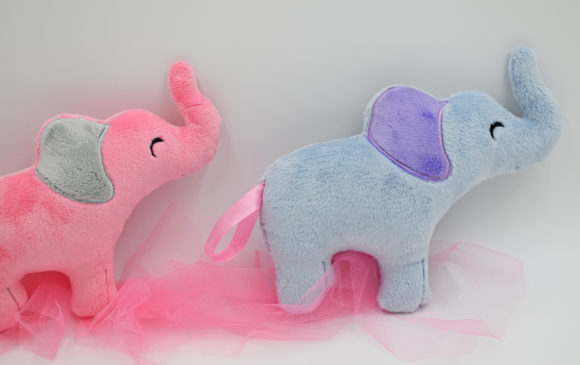
As an embroidery designer who has spent years digitizing and testing files for commercial use, I approach every new machine embroidery design with a critical eye. It is not just about whether the image looks cute on a screen; it is about how that design translates to fabric, how it holds up in the wash, and ultimately, how it serves the brand identity of the small business owner using it. Today, I am reviewing Elephant ITH, a design from the Wild Animals category that promises to be fun, easy, and versatile for in-the-hoop projects.
For boutique owners, Etsy sellers, and apparel decorators, finding the right digital embroidery file can make or break a product line. Let us dive into how this specific elephant design performs when moved from the computer screen to real-world branded merchandise.
First Impressions: Visual Personality and Brand Fit
The first thing you notice about Elephant ITH is its approachable nature. The description highlights that it is "cute" and "fun," which immediately sets the tone. In the world of branding, personality matters. This design does not scream corporate rigidity; instead, it offers a friendly, handmade aesthetic that works exceptionally well for businesses wanting to appear warm, welcoming, and community-focused.
If you run a local bakery, a pet grooming studio, a children’s boutique, or a creative craft shop, this design aligns perfectly with your visual identity. It feels decorative yet professional enough to be taken seriously as a logo accent. However, for high-end luxury brands or industrial companies, this playful style might feel too casual. Knowing where your brand sits on the spectrum from playful to premium is crucial before purchasing any embroidery file.
Real-World Applications for Small Business Merch
The true value of Elephant ITH lies in its versatility. Because it is an in-the-hoop design, it is inherently structured, making it ideal for items that need a bit of durability and shape. Here is how I envision this design working across various commercial embroidery projects:
- Embroidered Patches: This is the strongest use case. You can create standalone patches to sew onto denim jackets, canvas tote bags, or backpacks. The in-the-hoop structure ensures the edges are finished cleanly, giving a premium look to your small business merch.
- Apron Embroidery: For cafes and florists, branded aprons are a walking advertisement. Placing this elephant on the chest pocket or upper corner adds a charming touch that customers remember.
- Tote Bag Design: Canvas totes are a staple for eco-friendly brands. An elephant patch sewn onto a natural cotton bag creates an instant bestseller for gift shops and markets.
- Cap Embroidery: While caps require careful placement, a smaller version of this design could work on the side panel or back of a dad hat, offering subtle branding without overwhelming the curved surface.
- Customer Gifts: Use the design to create keychains or small accessories as thank-you gifts for loyal clients. This builds emotional connection and encourages repeat business.
Technical Considerations and Production Notes
Before you load this digital embroidery file into your machine for a large production run, there are technical factors to consider. The description notes that the design comes with multiple embroidery files, which is excellent news. This usually means you have options for different hoop sizes, allowing you to scale the design appropriately for different products.
However, always check the specific details provided by the seller. You need to confirm the exact hoop size compatibility with your machine. If you are planning to use this on a standard 4x4 hoop versus a 5x7 hoop, the stitch density will change relative to the size. High stitch density can cause puckering on lightweight fabrics, so testing is non-negotiable.
Here are my practical designer notes for executing this project successfully:
- Test on Real Fabric: Never skip the test stitch. Run the design on the actual material you plan to use for your custom apparel or accessories. Check for thread breaks or nesting.
- Stabilizer Selection: In-the-hoop projects often require a combination of cut-away and tear-away stabilizers to maintain shape while allowing for easy removal. Ensure your stabilizer matches the fabric texture you are using.
- Thread Color Contrast: Since elephants are typically gray, consider how the thread colors pop against your background fabric. On dark uniforms, you may need to adjust the thread palette to ensure the design remains visible and recognizable.
- Black and White Test: Print or stitch the design in black and white first. This helps you see if the outlines are distinct enough. If the details blur together in monochrome, they might get lost on busy patterns or from a distance.
- Commercial Licensing: Always verify the license terms. Ensure that the file allows for commercial use if you are selling the finished product. Most designers allow this, but it is vital to confirm before investing time in production.
Enhancing Brand Identity and Customer Trust
Why choose an elephant? Beyond the aesthetic, symbols carry weight. Elephants are often associated with memory, strength, and wisdom. For a business, this can subtly communicate reliability and longevity. When customers see a well-executed embroidered patch on your packaging or staff uniforms, it signals attention to detail. It tells them that you care about quality, which builds trust.
Consistency is key. If Elephant ITH becomes part of your visual language, use it consistently across your design assets. Create a printable mockup to show clients how the design will look on their chosen items before you stitch. This professional step reduces errors and increases buyer engagement, as clients can visualize the final result.
Where to Use Caution
While this design is versatile, it is not universal. Avoid using it on items that require extreme durability in high-friction areas unless you reinforce the stitching heavily. Also, be cautious with very small sizes. If you shrink the design too much for a tiny label, the intricate details of the elephant’s features may merge, losing the "cute" clarity that makes it appealing. Always respect the minimum size recommendations provided in the file documentation.
Additionally, consider the context of the Wild Animals category. Ensure the playful nature of the elephant fits the seriousness of your industry. It is perfect for a children’s store but might be misplaced on formal corporate wear.
Final Verdict for Embroidery Professionals
Elephant ITH is a solid addition to any embroidery designer’s library, particularly for those serving lifestyle brands, boutiques, and creative studios. Its in-the-hoop nature simplifies the finishing process, saving time on trimming and edging, which is crucial for scaling a handmade product business. By paying attention to stabilizer choice, thread contrast, and proper sizing, you can transform this simple design into a powerful tool for brand recognition.
Remember, the goal of commercial embroidery is not just decoration; it is communication. This design communicates friendliness and quality. If that aligns with your brand voice, it is worth adding to your repertoire. Always review the specific file formats and hoop sizes included in the package to ensure seamless integration into your workflow. With careful execution, Elephant ITH can become a signature element of your small business merchandise, delighting customers and elevating your brand presence.