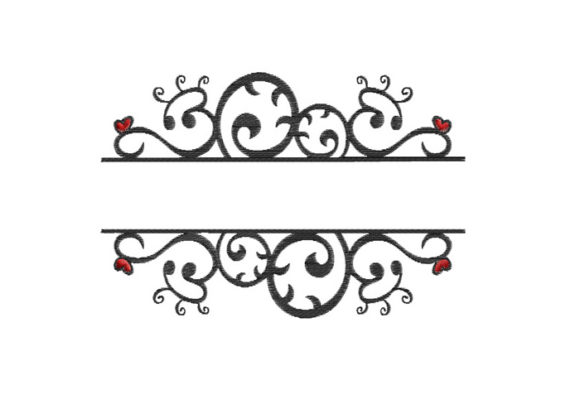
Frame: A Designer’s Review for Small Business Merch
As an embroidery designer who has spent years digitizing patterns and consulting with small business owners, I have learned that not every design serves the same purpose. Some are meant for grand wall hangings, while others are engineered for durability and brand recognition on high-traffic merchandise. Today, I am reviewing Frame, a machine embroidery design from the Borders category that promises versatility for creators and commercial users alike.
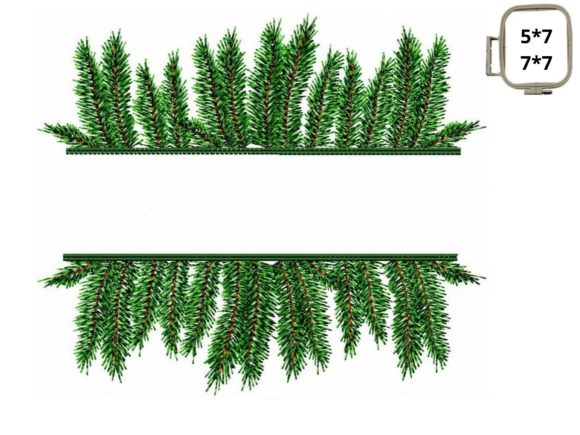
When I first loaded the file into my editing software, my immediate impression was one of understated elegance. The title "Frame" suggests structure and containment, and the design delivers exactly that. It feels professional yet approachable, striking a balance between decorative flair and functional simplicity. For boutique owners, Etsy sellers, and local businesses looking to elevate their branded goods, this type of Embroidery asset can be a game-changer. It does not scream for attention; instead, it quietly enhances the perceived value of the finished product.
Elevating Brand Identity Through Strategic Placement
The true test of any digital embroidery file is how it performs in real-world applications. Frame is not just a pretty picture; it is a tool for building brand identity. Imagine a local café wanting to upgrade their staff uniforms. Instead of a plain chest logo, they could use Frame as a subtle border around their main emblem on aprons or work shirts. This adds a layer of sophistication that customers subconsciously associate with quality and care.
For handmade brands and crafters, this design shines in custom apparel and accessories. Consider a florist selling tote bags. A simple text logo can sometimes look lost on a large canvas bag. By incorporating Frame as a border element, you create a focal point that draws the eye to the brand name. It transforms a basic tote bag design into a premium accessory that customers are proud to carry. Similarly, for pet brands or creative studios, using this design on embroidered patches allows for versatile application. You can iron or sew these patches onto hats, jackets, or even packaging, creating a cohesive look across all touchpoints.
Versatility Across Different Merchandise Types
One of the strongest selling points of Frame is its adaptability. Because it comes with multiple embroidery file formats, it is ready for various machines and hoop sizes. However, versatility requires thoughtful execution. Here is how I envision this design working across different small business merch categories:
- Embroidered Patches: Frame works exceptionally well as a border for circular or square patches. It provides a clean edge that prevents the design from looking unfinished. This is ideal for event merch or customer gifts.
- Cap Embroidery: On curved surfaces like baseball caps, simpler designs often perform better. Frame’s structure can complement a central logo without overwhelming the limited space on the cap front.
- Apron Embroidery: For bakeries and artisans, aprons are walking billboards. Using Frame to highlight the business name on the bib or pocket adds a professional touch that distinguishes your staff from competitors.
- Tote Bag Design: As mentioned, it acts as an anchor for text-heavy designs, giving them weight and visual stability on large fabric areas.
Technical Considerations for Production Quality
While the aesthetic appeal is strong, we must discuss the technical realities of production. As a designer, I always advise clients to look beyond the preview image. The description states that this machine embroidery design can be used for a variety of creations, but success depends on how you manage stitch density and fabric texture.
First, consider the scale. If you plan to use Frame on a small patch, you must check the spacing between the lines. If the elements are too close together, the threads may merge, causing a bulky, messy look. Always test it in black and white first on a scrap piece of fabric similar to your final product. This helps you see the structural integrity of the design without the distraction of thread colors.
Second, think about the stabilizer. For items that need frequent washing, such as staff uniforms or baby products, proper stabilization is non-negotiable. Frame may require a cut-away stabilizer if used on stretchy fabrics to prevent distortion over time. Additionally, inspect the design for high stitch density areas. If the frame is too dense, it can cause puckering, especially on lighter fabrics like cotton tote bags or linen aprons.
Navigating Challenges in Commercial Embroidery
There are scenarios where Frame should be used with caution. Dark uniforms can be tricky if the design relies on fine details that do not contrast well with the background. Ensure you choose thread colors that pop against the fabric. Furthermore, if you are adding tiny lettering inside the frame, verify that your machine can handle such small text without thread breaks or bird nests.
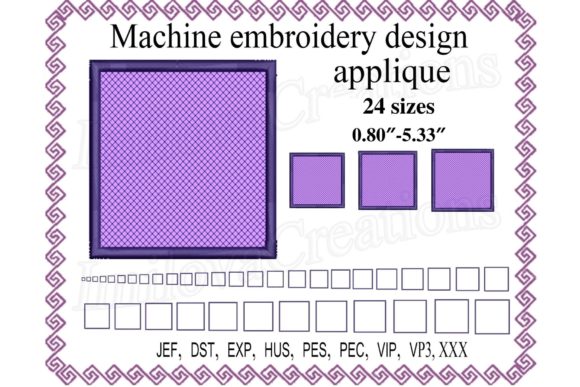
Another critical factor is the hoop size. Since the product comes with multiple formats, ensure you select the version that fits your specific hoop. Trying to resize a design significantly beyond its original parameters can alter the stitch density and compromise the quality. Always confirm the hoop size compatibility before starting a large batch of commercial embroidery projects.
Enhancing Customer Trust and Perceived Value
Why does this matter for your bottom line? Because presentation drives sales. A well-executed embroidered item signals professionalism. When a customer receives a product with clean, crisp stitching and a thoughtful layout, their trust in your brand increases. Frame contributes to this by providing a polished, finished look. It suggests that attention to detail was paid not just to the product, but to its presentation.
For Etsy sellers and digital file buyers, using high-quality assets like Frame in your printable mockup and marketing materials can boost buyer engagement. It shows potential clients that you understand design principles. Whether you are creating design assets for a client or producing your own inventory, consistency is key. Use Frame consistently across your product line to build visual recognition.
Final Verdict and Practical Next Steps
Before you commit to a full production run, take these practical steps. First, download the sample files and review them in your embroidery software. Check the thread color contrast and inspect the spacing. Second, create a mockup for client approval if you are working on commission. This saves time and ensures everyone is aligned on the vision. Third, confirm commercial licensing terms. While the description mentions it can be used in multiple embroideries, always double-check the license agreement to ensure it covers your specific business model, whether that is selling physical goods or digital services.
In conclusion, Frame is a solid addition to any embroidery designer’s library. It is not just a decorative border; it is a strategic tool for enhancing brand identity. By understanding its strengths and limitations, you can leverage this design to create high-quality, professional merchandise that resonates with your audience. Whether you are decorating caps, aprons, or tote bags, Frame offers the structure and elegance needed to make your small business stand out in a crowded market.