Pyramid Toy: A Bright Embroidery Gem for Baby Gifts
As an embroidery designer who has spent countless hours digitizing and stitching out thousands of designs, I have developed a keen eye for what makes a machine embroidery pattern truly viable for commercial use. We are not just looking for pretty pictures; we are looking for reliability, emotional resonance, and technical soundness. Recently, I came across the Pyramid Toy design on Creative Fabrica, and it immediately caught my attention as a versatile asset for anyone specializing in handmade baby products and personalized gifts.
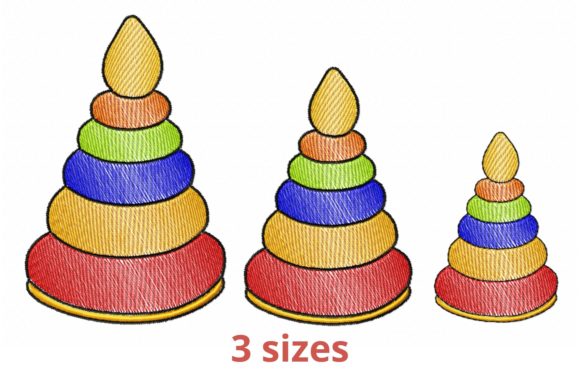
This multi-colored bright children's toy is more than just a decorative element; it is a statement piece that brings joy to baby clothes, bibs, and crib sides. In this review, I will evaluate how this design fits into the workflow of a professional Etsy seller or small business owner, focusing on its aesthetic appeal, practical application, and technical considerations for a flawless finished product.
First Impressions: Playful Charm and Visual Softness
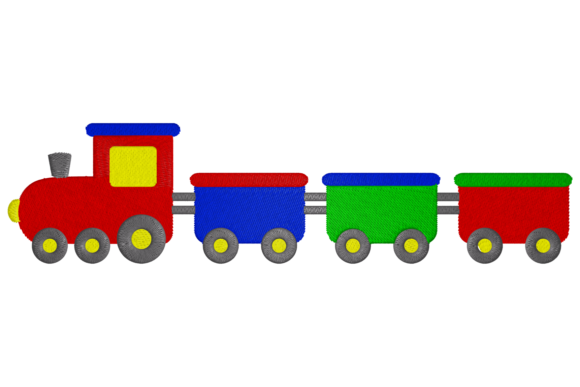
The first thing you notice about the Pyramid Toy is its vibrant energy. In the world of machine embroidery design, color balance is crucial. This design utilizes a multi-colored palette that feels cheerful without being overwhelming. It captures the essence of childhood playfulness, making it an ideal choice for projects that need to evoke warmth and happiness.
From a design perspective, the shapes are clean and well-defined. There is a certain softness to the visual presentation that translates beautifully into thread. It does not rely on overly complex shading or microscopic details that often cause registration issues on home embroidery machines. Instead, it offers a bold, graphic quality that reads well from a distance, which is essential for items like crib decor or tote bags where the design needs to make an impact.
Versatility Across Product Lines
One of the strongest selling points of this embroidery file is its adaptability. While it is categorized under Toys, its application extends far beyond simple playthings. For those of us running a small shop product line, versatility is key to maximizing return on investment. Here is how I envision using this design in various contexts:
- Baby Embroidery: This is the most obvious fit. The design looks adorable on organic cotton onesies, muslin swaddle blankets, and burp cloths. It adds a custom touch that parents love for shower gifts.
- Nursery Decor: Imagine this stitched onto a canvas wall hanging or a felt mobile. The bright colors complement modern nursery themes perfectly.
- Embroidered Towel and Linens: For a unique twist, this design works well on high-quality hand towels or kitchen aprons. It adds a whimsical touch to household items, making them excellent housewarming presents.
- Pillow Cover and Blanket Embroidery: Placing this motif on a corner of a knit blanket or a linen pillow cover creates a subtle yet charming accent. It elevates a basic textile into a personalized gift with high perceived value.
- Tote Bags and Accessories: Canvas tote bags are a staple for craft fairs. Stitching this playful icon on a bag appeals to young parents and teachers alike.
Technical Considerations for Professional Results
While the aesthetic is appealing, we must address the technical side of commercial embroidery. A beautiful design can quickly become a nightmare if it is not suited for the fabric or machine constraints. Here are my professional notes on handling the Pyramid Toy design.
Fabric Texture and Stabilizer Choice
Because this design features multiple colors and distinct shapes, stability is paramount. When working with stretchy baby clothes, such as jersey knits, you must use a high-quality cut-away stabilizer to prevent puckering. For woven fabrics like towel material or canvas totes, a tear-away stabilizer might suffice, but always test first. The fabric texture plays a significant role here; plush towels can swallow small stitches, so ensure your needle size and thread tension are adjusted accordingly.
Thread Colors and Contrast
The design description highlights it as "multi-colored." This means you will be doing several color changes. To maintain efficiency, plan your thread path logically. Also, consider the background fabric color. If you are stitching on a dark fabric, you may need to adjust the thread colors for better contrast or use an underlay stitch to pop the colors. Always create a test stitch-out on a scrap piece of your actual production fabric before committing to a final handmade product.
Stitch Density and Detail Level
Although specific stitch count data is not provided in the brief description, the visual complexity suggests a moderate density. It is crucial to review the stitch density in your embroidery software if possible. Overly dense designs can cause fabric distortion, especially on lightweight materials like bibs. Check for any tiny, isolated stitches that might pull out during washing. A good rule of thumb is to zoom in at 400% in your viewer to inspect for potential thread breaks or jumps.
Building Customer Trust and Emotional Value
In the handmade market, customers are buying more than just an object; they are buying an experience and an emotion. The Pyramid Toy design contributes significantly to this narrative. When a customer receives a baby blanket with this bright, cheerful motif, they perceive care and attention to detail. This enhances the giftability of your item.
For Etsy sellers, product photography is vital. This design photographs well because of its clear lines and vibrant hues. It stands out in thumbnail images, potentially increasing click-through rates. Furthermore, offering items with such recognizable, happy imagery can boost buyer engagement. Customers often share photos of their purchases on social media when the design is cute and distinctive, providing you with free marketing.
Practical Steps Before You Sell
Before you list this as a custom embroidery option in your shop, take these final steps to ensure professionalism:
- Verify File Formats: The product description states it comes with multiple embroidery file formats. Ensure you have the correct format for your specific machine (e.g., PES, DST, JEF) before starting production.
- Check Hoop Size: Confirm the dimensions of the design fit within your standard hoop sizes. This helps in planning placement on smaller items like bibs versus larger items like blankets.
- Review Licensing: Always check the license terms on Creative Fabrica. Most designs allow for commercial use of finished physical products, but it is essential to be certain to protect your business.
- Create a Printable Mockup: Use digital mockups to show customers how the design looks on different products. This helps manage expectations and reduces returns.
In conclusion, the Pyramid Toy is a solid addition to any embroidery designer’s library. It balances playful aesthetics with practical usability, making it a reliable choice for creating memorable wedding gifts, baby showers presents, and everyday keepsakes. By paying attention to stabilizer choices and thread contrasts, you can turn this digital file into a high-quality tangible product that delights customers and builds your brand reputation.