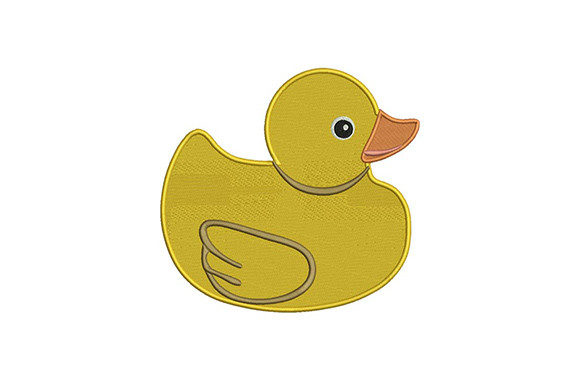
Rubber Duck: A Sweet Stitch for Baby Gifts
As an embroidery designer who has spent countless hours hooping, stitching, and troubleshooting designs for clients, I have developed a keen eye for what makes a digital file truly valuable in the real world. It is not just about the preview image; it is about how the machine embroidery design behaves on actual fabric, how it appeals to the end customer, and whether it holds up under the scrutiny of a handmade gift buyer. Recently, I took a close look at the Rubber Duck design available on Creative Fabrica, and I want to share my professional perspective on why this playful motif is a smart addition to your digital library.
The Emotional Appeal of Playful Design
When you first view the Rubber Duck design, the immediate impression is one of warmth and nostalgia. Bath time is a universal ritual for families, and capturing that moment in thread creates an instant emotional connection. The design does not try to be overly complex or abstract; instead, it leans into a cute, approachable aesthetic that feels both modern and classic. For those of us creating personalized gifts, this emotional resonance is half the battle. A customer browsing for a baby shower present or a unique birthday item is looking for something that sparks joy, and this duck delivers that sentiment with visual softness and charm.
The decorative style strikes a balance between playful and tidy. It avoids the chaotic stitch patterns that can sometimes plague amateur designs, offering a clean silhouette that reads well from a distance. This clarity is crucial when you are selling handmade products online, where customers often view images on small mobile screens. A clear, recognizable shape like a rubber duck translates beautifully into product photography, enhancing the perceived quality of your Etsy seller listings or craft fair displays.
Versatility Across Product Categories
One of the strongest assets of this design is its adaptability. While the product category is listed under Bed and the type is Embroidery, the applications extend far beyond just bedding. As a designer, I always look for files that can maximize my return on investment by working across multiple product lines. Here is how I envision using this embroidery file in a real-world business context:
- Baby Embroidery: This is the most obvious fit. Imagine this stitched onto hooded bath towels, burp cloths, or receiving blankets. The theme is perfectly aligned with nursery needs.
- Embroidered Towel Upgrades: Plain white or pastel towels become premium custom embroidery pieces with just one well-placed motif. It adds value without requiring hours of machine time.
- Pillow Cover Accents: For a child’s room, a small duck on a corner of a pillow cover adds a whimsical touch that grows with the child.
- Tote Bags and Aprons: Moving beyond the nursery, this design works wonderfully on canvas tote bags for beach days or on aprons for young children helping in the kitchen.
- Wedding Gift and Keepsakes: While primarily juvenile, the concept of "bath time" can be adapted for humorous or nostalgic wedding gifts for couples who appreciate quirky, personalized home decor.
The description notes that the design comes with multi sizes, which is a significant advantage. Having multiple size options allows you to scale the design appropriately for different hoop size constraints and fabric areas. Whether you are working with a small 4x4 hoop for a sock or a larger hoop for a blanket border, having the flexibility to choose the right scale is essential for professional results.
Technical Considerations for Professional Results
While the aesthetic is charming, the technical execution determines whether a design becomes a bestseller or a return request. When working with a Creative Fabrica embroidery file like this, there are several practical concerns to address before you begin production.
First, consider the fabric texture. Bath towels are notoriously tricky due to their loops and pile. If you are stitching the Rubber Duck onto terry cloth, you must use a sufficient top stabilizer, such as water-soluble film, to prevent the stitches from sinking into the fabric. Without this, the cute details of the duck may get lost in the towel's texture. Conversely, if you are using smooth cotton for a blanket embroidery project or a onesie, the stitch definition will be much sharper.
Second, evaluate the stitch density. Although the specific stitch count is not provided in the brief description, playful designs often benefit from moderate density to maintain a soft hand feel. Stiff, dense embroidery on baby items can be uncomfortable against sensitive skin. I recommend doing a test stitch-out on a similar fabric to ensure the design remains flexible and comfortable. Check the back of your test piece for excessive pull or distortion, which can indicate that the tension needs adjustment or the stabilizer choice needs revision.
Thread color contrast is another critical factor. A rubber duck is traditionally yellow, but don't be afraid to experiment. For a wedding gift or a more sophisticated nursery look, consider using muted tones like mustard, sage, or slate gray. Always compare your thread colors against the fabric before stitching to ensure the design pops without clashing. Dark fabrics require careful planning; if stitching on navy or black, ensure the design has enough saturation to stand out, or consider using lighter thread colors for a striking contrast.
Building Trust and Value for Your Customers
For small shop product creators, the quality of your embroidery directly impacts customer trust. A clean, well-digitized design like Rubber Duck signals professionalism. When a customer receives a finished product with crisp edges and no thread breaks, they are more likely to leave positive reviews and return for future purchases. The emotional value of a handmade item is heightened when the craftsmanship is evident.
Furthermore, this design lends itself well to creating printable mockup assets for your online store. Because the shape is distinct and recognizable, it looks excellent in digital presentations, helping buyers visualize the final item. This visual clarity drives buyer engagement and can significantly boost conversion rates for your commercial embroidery projects.
Final Recommendations for Crafters
Before you launch your new line of duck-themed goods, take these final steps to ensure success:
- Create a Test Stitch-Out: Never skip this step. Stitch the design on the exact fabric you plan to sell.
- Check Small Details: After stitching, inspect the eyes and beak of the duck. Are they clear? Do they merge together? Adjust tension if necessary.
- Review Licensing: Always check the product details and licensing terms on Creative Fabrica. Ensure you are compliant with rules regarding digital embroidery file usage for commercial sales.
- Confirm Hoop Size: Match the design size to your machine's capabilities to avoid re-hooping errors.
In conclusion, the Rubber Duck design is a delightful, versatile asset for any embroidery designer focusing on baby products, home decor, or personalized gifts. Its blend of playful charm and practical applicability makes it a strong candidate for your next handmade product collection. By paying attention to stabilizer choices, fabric textures, and stitch quality, you can transform this simple digital file into a cherished keepsake that brings joy to families and profit to your business.