Reviewing the Elephant in Mandala Style for Real Projects
As an embroidery designer who spends countless hours digitizing and stitching, I have learned that not every machine embroidery design is created equal. Some files look stunning on a screen but turn into a bird’s nest of thread breaks and puckering on fabric. Recently, I came across the Elephant in Mandala Style on Creative Fabrica and decided to put it through its paces. My goal was simple: determine if this design is merely decorative or if it holds up under the rigorous demands of commercial embroidery and handmade product creation.
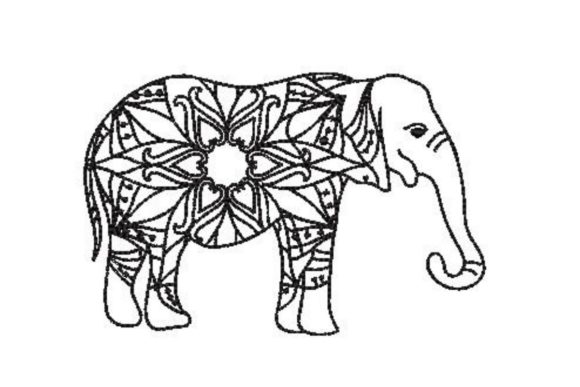
The first impression of the Elephant in Mandala Style is one of intricate balance. The fusion of the gentle, symbolic elephant with the geometric precision of a mandala creates a visual mood that is both spiritual and modern. For designers looking to expand their portfolio beyond standard florals or monograms, this piece offers a unique aesthetic. The detail level suggests a high degree of complexity, which immediately raises questions about stitch count and density. However, the promotional description promises that it will "stitch out wonderfully," a claim I wanted to verify through practical application rather than just visual inspection.
Visual Appeal and Design Personality
The decorative appeal of this design lies in its symmetry. Mandala patterns are inherently satisfying to the eye, and when combined with the organic shape of an elephant, the result is a harmonious composition. This makes the Elephant in Mandala Style particularly suitable for projects where the embroidery is the focal point. It is not a background element; it demands attention. For Etsy sellers and small business owners, this distinct personality can help differentiate your listings in a saturated market. Whether you are creating nursery decor or boutique merchandise, the design carries a sense of calm and craftsmanship that resonates with buyers seeking meaningful, personalized gifts.
Real-World Application for Handmade Products
When considering where to place this design, versatility is key. I evaluated its potential across several common items for crafters and apparel decorators. For a tote bag design, the symmetrical nature of the mandala centers beautifully on canvas or cotton blends. On a sweatshirt, the design adds a touch of bohemian flair to sweatshirt embroidery projects, appealing to customers who favor eclectic styles. It also translates well to home goods. Imagine this stitched onto a neutral linen pillow cover or a high-quality kitchen towel; the contrast between the intricate stitches and the simple fabric elevates the perceived value of the finished product.
For those interested in creating an embroidered patch, this design could work, provided the hoop size is sufficient to capture the details without losing definition. However, curved surfaces like caps require careful consideration. The dense nature of mandala patterns can sometimes cause pulling on structured hats, so testing on a similar curve is essential before committing to a full production run. Additionally, this design would make a striking addition to baby items, such as a blanket or bib, offering a gender-neutral option that feels thoughtful and artistic.
Technical Considerations and Stitch Performance
While the aesthetic is promising, the technical execution is what determines whether a design is viable for commercial embroidery. The description notes that it is a digitized mandala-style elephant, but it does not specify the exact stitch types used. In my experience, successful mandalas often rely on a combination of fill stitch for the larger shapes and satin stitch or running stitch for the finer outlines. Understanding this mix is crucial for managing stitch density.
Dense areas can lead to fabric puckering, especially on lighter materials. Therefore, using the correct stabilizer is non-negotiable. For stretchy fabrics like jersey knits used in t-shirts, a cut-away stabilizer is recommended to provide lasting support. For woven fabrics like tote bags or aprons, a tear-away might suffice, but a test stitch is always wise. I also advise checking the thread colors carefully. High-contrast threads will highlight the geometric details, while monochromatic schemes can create a subtle, textured look. Always review the design on both light and dark fabric mockups to ensure visibility.
One critical aspect for any professional is the hoop size. Since the product description does not list specific dimensions, you must check the file details on the Creative Fabrica product page before purchasing. Ensuring the design fits your machine’s maximum hoop size prevents frustration later. If the design is large, it may require re-hooping or a multi-position approach, which adds time to production. For small hoop sizes, verify that the intricate details do not become lost or merged due to the limitations of the needle penetration.
Enhancing Product Value and Brand Consistency
Integrating the Elephant in Mandala Style into your shop can significantly impact buyer trust and brand consistency. A well-executed complex design signals quality. When customers see clean lines and no thread breaks, they associate that precision with your brand. This is vital for building a loyal customer base. Furthermore, the unique nature of the design allows for creative marketing. You can use printable mockup tools to showcase the design on various products before stitching, helping customers visualize the final item. This reduces hesitation and can increase conversion rates for your digital or physical listings.
For creative entrepreneurs selling design assets or finished goods, the licensing terms are paramount. The description mentions it is a great addition to your collection, but you must confirm the license allows for commercial use of finished items. Most Creative Fabrica designs come with a commercial license for physical products, but it is always best to read the specific terms associated with the digital embroidery file to avoid any legal issues. This due diligence protects your business and ensures you can sell your handmade products with confidence.
Final Verdict for Embroidery Professionals
The Elephant in Mandala Style is a compelling choice for designers looking to add depth and cultural richness to their offerings. It is not just a pretty picture; it is a tool for creating high-value handmade products. However, success depends on preparation. Always stitch a test sample on scrap fabric identical to your final material. Check for thread breaks, adjust tension if necessary, and inspect small details after stitching to ensure clarity. By treating this design with the respect it deserves, you can produce stunning custom apparel, home decor, and gifts that stand out in the marketplace. Remember to verify all file formats and compatibility with your specific machine model before starting your next big project.